
Rusty-looking tap water can be an unsettling sight, especially when you expect clean, clear water from your faucet. Homeowners in Cincinnati sometimes notice a reddish or brownish tint in their tap water, particularly during seasonal changes or after plumbing work. Understanding the causes behind discolored water and knowing how to resolve these issues will help you keep your home’s plumbing system functioning properly and your water safe to use.
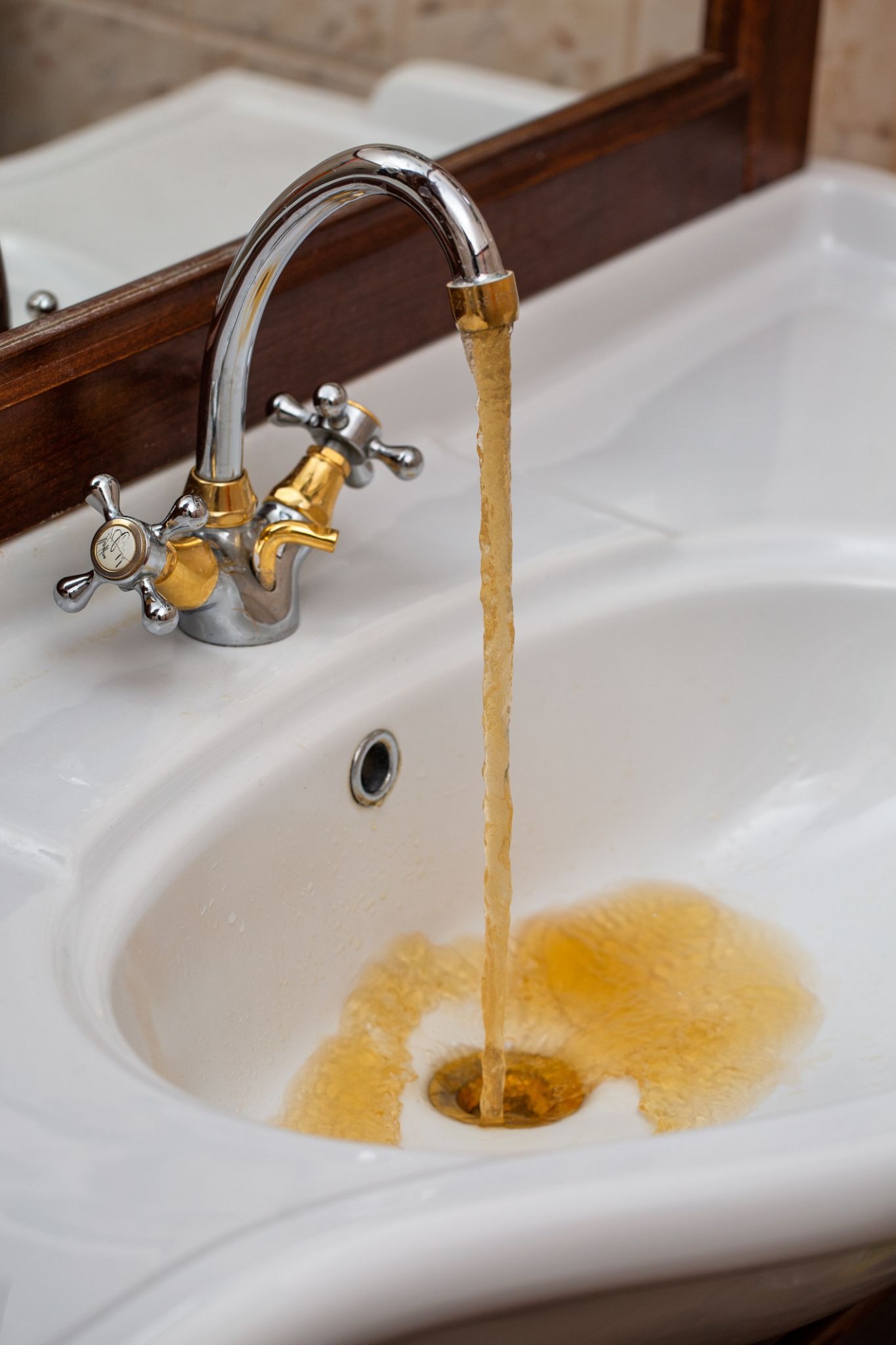
Common Causes of Rusty Tap Water
One of the most common reasons for rusty water at the tap is corrosion within the water pipes. When older galvanized steel or iron pipes begin to rust on the inside, flakes of rust can break loose and tint your water. In neighborhoods throughout Cincinnati, many homes still rely on legacy piping materials that are especially vulnerable to corrosion.
Other potential causes include:
-
Recent repairs or replacements in the municipal water mains
-
Fire hydrant usage or flushing of hydrants in your area
-
Sediment disturbance from nearby construction or street work
Any of these scenarios can temporarily disturb rust, sediment, or mineral deposits in the water supply, leading to rusty water at your tap. These events are more common in spring and fall, when seasonal maintenance and construction tend to peak in the Cincinnati region.
What Should You Do if You Notice Rusty Water?
If you notice discolored water:
-
Run your cold tap for a few minutes to see if it clears up
-
Check if both hot and cold water are affected (if only hot water appears rusty, your water heater may be the source)
-
Avoid using the water for washing clothes, as the rust can stain fabrics
If the problem persists beyond a few hours or affects all fixtures, consider contacting a professional for residential plumbing services. Rust in your water can signal larger issues, such as deteriorating pipes or a failing water heater.
Does Rusty Tap Water Pose a Health Risk?
Generally, water tinged with rust is not considered a significant health hazard, as iron is a naturally occurring mineral. However, large amounts of rust can make water taste unpleasant, stain plumbing fixtures, and potentially damage appliances. In cases where rusty water comes from bacterial growth or other contaminants, professional evaluation is strongly recommended.
For families in Cincinnati who rely on city water, rustiness following main line work or hydrant flushing usually clears up within a few hours. If you’re on a private well and see rusty water consistently, a well inspection and water quality test is necessary as a precaution.
How Local Climate and Seasonal Changes Can Contribute
In Cincinnati’s humid continental climate, both hot summers and cold winters can put stress on aging pipes. Repeated freeze-thaw cycles sometimes exacerbate pipe corrosion and sediment build-up. During spring rains and autumn leaf drop, increased ground movement and organic debris also affect public water systems and private lines alike. Consistent maintenance from a professional plumbing contractor can help mitigate these seasonal impacts.
Preventing Rusty Water and Protecting Your Plumbing
Preventing rusty tap water often starts with routine plumbing inspections and pipe maintenance. Cincinnati homeowners may benefit from services like whole-home repiping or water heater repair and installation, which address sources of corrosion before they result in costly repairs. Having your water tested regularly and replacing sections of pipe that show signs of leaking, flaking, or rust can preserve both your water quality and property value.
Contact JMW Plumbing & Fire Protection for Expert Plumbing Help in Cincinnati, OH
If you’re experiencing persistent rusty tap water, don’t wait for the problem to worsen. JMW Plumbing & Fire Protection provides prompt, professional plumbing services for homeowners throughout Cincinnati, OH. Whether you need an inspection, repairs, or a full system upgrade, our team is ready to assist you. Call us today at (513) 951-3015 or fill out our convenient online form to schedule your appointment and get clean, clear water flowing in your home.